 Jerusalem Israel Tours
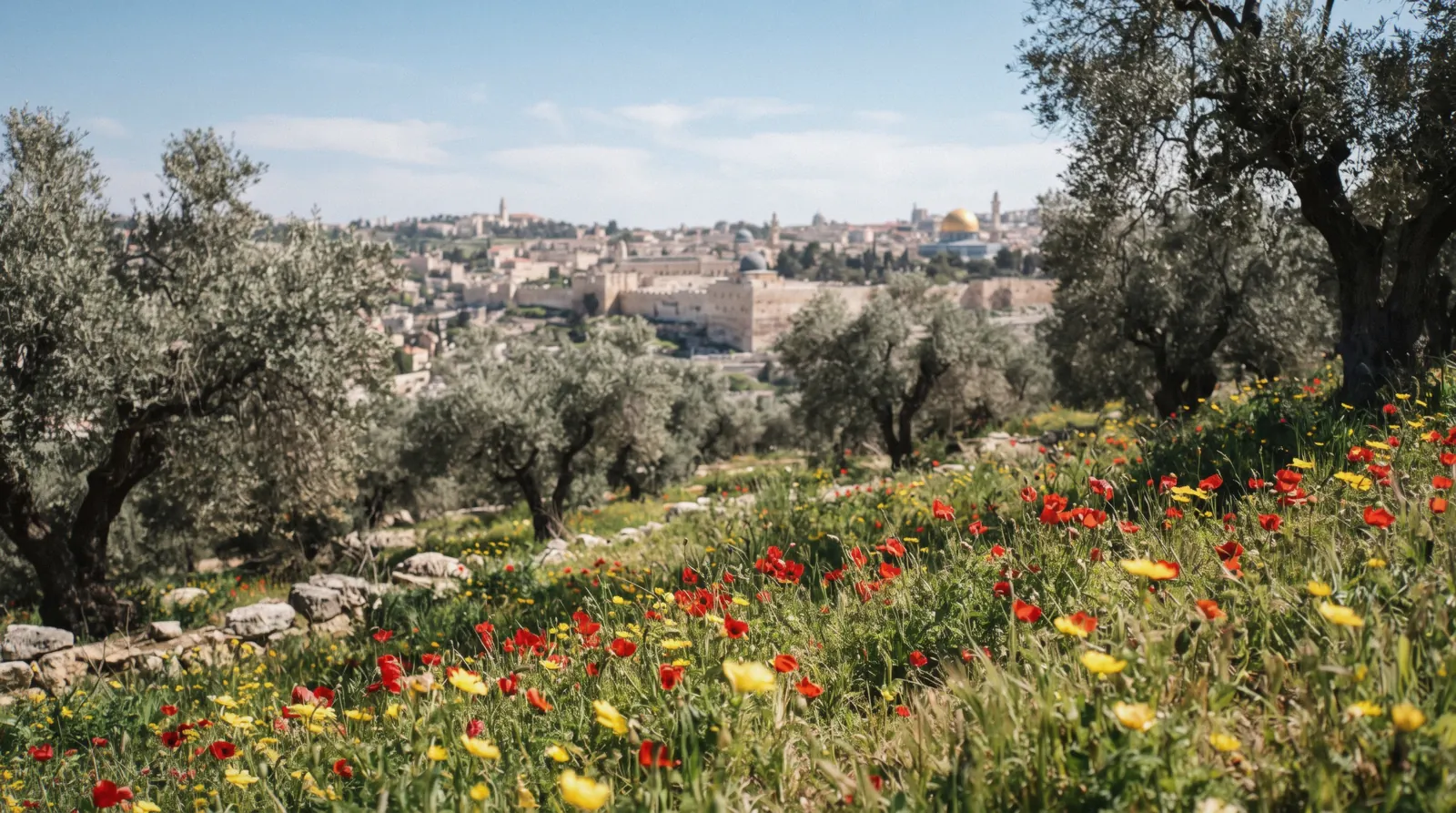
The best time to visit Jerusalem is spring and autumn, when afternoon highs sit between 17°C and 29°C and rain is rare. Summer is hot and dry and winter is cool and changeable, yet every season works with a little planning. This guide gives you Jerusalem weather by month, the calendar rules that shape any visit, and the Jerusalem tours that suit each season. For the full shortlist, see the top Jerusalem tours.
Quick answer Best months, Shabbat and tours
March to May and September to November offer the best mix of mild temperatures and low rain for Jerusalem sightseeing, based on Israel Meteorological Service climate normals. July and August reach 30°C with no rain, and winter highs run 13 to 15°C. Any visit needs Shabbat planning: from Friday sunset to Saturday nightfall public transport stops and the Mahane Yehuda market closes.
Key takeaways
- For first visits, pair mild weather with a guided four-hour Old City walk from Jaffa Gate.
- The plateau of the Temple Mount is closed to visitors on Fridays, Saturdays and some holidays, so schedule Old City touring Sunday to Thursday.
- In summer heat, swap walking for the Masada and Dead Sea day trip, where you float for 90 minutes and the Dead Sea shore runs 6-8°C hotter than Jerusalem.
- Read our full things to do in Jerusalem guide before locking dates.
Jerusalem Weather by Month
Average afternoon highs in Celsius and Fahrenheit, Israel Meteorological Service normals 1991-2020.
Almost all rain falls November to March. Snow is rare but happens some winters. The Dead Sea shore, about 1,200 m lower, runs 6-8°C hotter than Jerusalem.
Month by Month at a Glance
Each month rated for weather, crowds around the major holidays, and the practical effect on sightseeing in the Old City and beyond.
| Month | Avg high | Weather note | Calendar note | Best for |
|---|---|---|---|---|
| January | 13°C (55°F) | Cool, most rain of the year, rare snow | Quiet month | Museums, Yad Vashem, low crowds |
| February | 14°C (57°F) | Cool and changeable | Quiet until late | Budget-minded trips, our estimate |
| March | 17°C (63°F) | Mild, rain easing | Purim, Ramadan varies | Walking tours, first spring visits |
| April | 22°C (72°F) | Warm and mostly dry | Passover and Easter peak | All sightseeing, book far ahead |
| May | 26°C (79°F) | Warm, dry | Quiet after Passover | Dead Sea and Masada day trips |
| June | 29°C (83°F) | Hot, no rain | Quiet | Early starts, evening walks |
| July | 30°C (86°F) | Hot and dry | Busy with summer travel | Coast and Dead Sea combos |
| August | 30°C (87°F) | Hottest, very dry | Busy | Air-conditioned touring |
| September | 29°C (84°F) | Hot early, easing late | Rosh Hashanah and Yom Kippur | Late September onward |
| October | 26°C (79°F) | Warm, dry | Sukkot crowds, then calm | The single best all-round month |
| November | 20°C (68°F) | Mild, first rains | Quiet | Walking tours, long light |
| December | 15°C (59°F) | Cool, rain | Christmas in Bethlehem | Festive visits, layered clothing |
Temperatures are Israel Meteorological Service normals 1991-2020. Holiday timing follows the Jewish and Christian calendars and shifts each year, so check dates for your travel year before booking.
Spring in Jerusalem: March to May
Spring is the classic answer to the best time to visit Jerusalem, and the numbers back it up.
Why spring wins on weather
March afternoons average 17°C (63°F), April 22°C (72°F) and May 26°C (79°F), and the rainy season fades as spring goes on. Mornings are cool enough for a sweater, afternoons are warm enough for the Mount of Olives viewpoint walk down to Gethsemane. Rain, when it comes, tends to arrive in short spells rather than all-day soaks.
The practical benefit is stamina. Jerusalem sightseeing is on foot: the Old City walls, the Via Dolorosa, the steps of the City of David and the descent from the Mount of Olives all reward cool mornings. A four-hour walk in April feels easy. The same route in August is a different sport.
The holiday catch: Passover and Easter
Spring has one complication, and it is a big one. Passover and Easter often fall in the same few weeks, which brings peak crowds to the Church of the Holy Sepulchre, the Western Wall and Bethlehem. The Holy Sepulchre runs special closing hours on Catholic and Orthodox Good Friday and Orthodox Holy Saturday.
Two practical rules. First, book accommodation and tours weeks or months ahead if your dates land in these festivals. Second, know what closes: the Temple Mount plateau is closed to non-Muslim visitors on Fridays, Saturdays and various Muslim and Jewish holidays, and on those days the Old City walking tours stop at a viewpoint over it instead. On a Passover week visit, book the four-hour Old City walk for a mid-week morning and expect the plateau viewpoint rather than the visit itself.
After the festivals clear, late April and May are quiet, warm and dry, which makes them our pick for combining the city with a Masada and Dead Sea tour from Jerusalem.
Jerusalem in Summer: June to August
Summer is hot, bone dry and busy with school-holiday travel, and it reshapes how you should plan each day.
Heat changes the itinerary
July and August afternoons average 30°C (86-87°F) and rain is effectively absent. The heat is dry, so it is more forgiving than humid heat, but stone squares and exposed viewpoints give no shade. Two adjustments work. Start early: the Old City is pleasant at 08:00 and heavy by noon. Shift touring to the evening: the sunset Old City walk with wine runs in the cooler hours and ends with the Holy Sepulchre quarter by night.
Water matters more than clothing choices here. Carry it, use it, and favour routes with indoor pauses such as the Church of the Holy Sepulchre or the market arcades of Mahane Yehuda.
The Dead Sea is not the escape you expect
One surprise for summer planners: the Dead Sea shore sits about 1,200 m below Jerusalem and runs 6-8°C hotter. Floating there in August is a hot-weather activity, not a cool one. It still works, because the classic Masada and Dead Sea day trip reaches Masada by cable car in the morning and puts you at the beach for a 90-minute float, with hotel pickup in an air-conditioned coach. Just bring far more water than you think you need, and treat the float as the midday highlight rather than an afternoon add-on.
Jerusalem in summer is still a good time for one specific type of traveller: anyone combining the city with the coast, where Tel Aviv sea breezes offset the inland heat. Our Tel Aviv to Jerusalem guide covers the 35-45 minute train that makes that easy.
Autumn: September to November
Autumn rivals spring, with a hot start, a holiday peak and then some of the calmest touring weeks of the year.
From heat to ideal walking weather
September still averages 29°C (84°F), but October drops to 26°C (79°F) and November to 20°C (68°F). Rain begins in November as the wet season opens. For pure sightseeing comfort, mid-October through November is hard to beat: long mild afternoons, cool evenings and light crowds between the holiday seasons.
This is the window for the full walking program. A Jerusalem itinerary of three or four days fits comfortably, adding the Mount of Olives churches, Yad Vashem and a market food walk without heat fatigue.
The Jewish holiday season
September and early October carry the Jewish High Holiday period: Rosh Hashanah, Yom Kippur and Sukkot. The effect on visitors is specific. On Yom Kippur, the Day of Atonement, the city quiets almost completely and the Cenacle on Mount Zion closes for the day. During Sukkot the city fills with visitors and the Western Wall plaza is busy in the evenings.
Plan around it rather than avoiding it. The Western Wall in the days before Yom Kippur is a remarkable sight for many travellers, and the Mahane Yehuda market is at its liveliest before the festivals as families shop. Book any guide-led walk well ahead for these weeks, then switch to relaxed touring once Sukkot ends. November, by contrast, asks nothing of you except a compact umbrella.
Jerusalem in Winter: December to February
Winter is cool, wetter and quiet, and it suits travellers who prefer museums and empty squares over heat.
What the weather actually does
January afternoons average 13°C (55°F) and February 14°C (57°F). Almost all of Jerusalem's rain falls in these months, and snow is rare but happens some winters. Mornings and evenings feel properly cold, so pack layers and a waterproof. Stone churches hold the chill, which some visitors find atmospheric and others find brisk.
The reward is space. Our estimate is that late January and February are the quietest weeks at the major holy sites, and a visit to the Church of the Holy Sepulchre in February can feel unhurried in a way April never allows. The Garden Tomb grounds and the rooftop viewpoints are likewise peaceful. Jerusalem in winter is a museum city: Yad Vashem, the Tower of David museum and the City of David excavations all work well, with the underground sites keeping a steady temperature year round.
Christmas and the Bethlehem factor
December reverses the quiet rule in one place: Bethlehem. The city, a Palestinian city in the West Bank about 10 km south of Jerusalem, draws its biggest crowds of the year to Manger Square and the Church of the Nativity over the Christmas period. If a Christmas visit is the point of your trip, book the Bethlehem half day tour early and expect checkpoints and waiting. A valid passport is needed, Israeli passport holders cannot join the tours, and a Palestinian guide takes over at the crossing.
Outside Christmas week, winter touring logistics are unchanged. Bring the passport for any Bethlehem day, dress modestly at the holy sites, and note that the winter closing times come into effect at the churches and viewpoints, for example the Church of All Nations at Gethsemane closes at 17:00 from October to March.
Shabbat and Holidays: The Rules That Shape Every Visit
Jerusalem's calendar matters more than its weather. Two weekly and yearly rhythms decide what is open when you arrive.
Shabbat, from Friday sunset to Saturday nightfall
Shabbat, the Jewish day of rest, runs from a few minutes before sunset on Friday until nightfall on Saturday. In practical terms: the light rail ends before sunset on Friday and does not run on Saturday, trains to Tel Aviv stop on Friday afternoon and resume only after dark on Saturday, and the Mahane Yehuda market closes for Shabbat. Yad Vashem closes on Saturday and on Jewish holidays. Churches in the Old City stay open throughout.
Plan the weekly rhythm backwards from Saturday. Saturday is the day for the Old City on foot, for the Mount of Olives churches and for any walk that needs no transport. Save light-rail and train-dependent plans for Sunday to Thursday. Our getting around Jerusalem guide has the full Shabbat transport picture, and where to stay in Jerusalem helps if being walkable on Shabbat is your priority.
The Temple Mount and festival closures
The Temple Mount, known in Arabic as Haram al-Sharif (the plateau of the Dome of the Rock and the Al-Aqsa Mosque), admits non-Muslim visitors only through the Mughrabi Gate, during limited morning and early-afternoon hours from Sunday to Thursday. It is closed to visitors on Fridays, Saturdays and on various Muslim and Jewish holidays, and can close at short notice. Visitors stay in the open courtyards, dress modestly and check on the day.
The Jewish festival calendar adds predictable pressure. Passover in spring and the Rosh Hashanah, Yom Kippur and Sukkot run in autumn are the peak periods, and Christmas does the same to Bethlehem. Holy sites also adjust hours: the Holy Sepulchre closes early on Catholic and Orthodox Good Friday and Orthodox Holy Saturday, and the Cenacle closes on Yom Kippur. None of this should stop a festival visit, it just means booking earlier and building one flexible day into your plan. For a schedule that fits around closures, a Jerusalem private tour lets you set the route with the guide on the day.
When to Book Which Tour
Each season favours a different kind of tour, and the four walks below cover the main choices. Prices are as listed on the booking platforms.
Matching the tour to the month
The rule of thumb is simple. In the mild months of spring and autumn, take a walking tour, because four hours on foot is the best way to see the Old City. In the heat of July and August, choose early-morning starts or evening walks, and give full-day coach tours the nod over long self-guided walks. In winter, favour tours with indoor content and short outdoor sections.
For a first visit in any season we would book the four-hour Old City walk from Jaffa Gate. It covers the Western Wall, the Via Dolorosa and the Holy Sepulchre with a live guide, holds a 4.8 rating from 423 reviews, and free cancellation up to 24 hours before the start removes the weather risk. For summer evenings, the sunset walk with wine is the comfortable alternative, and in the shoulder months add the Masada and Dead Sea or Bethlehem day trips, both of which run on air-conditioned coaches with pickup.
The tours compared
The day trips are seasonal in a different way. The Masada and Dead Sea day trip works best from late spring to autumn, when the cable car runs early and the float is welcome, though midsummer demands serious water. The Bethlehem half day tour runs all year, and Christmas week needs the earliest booking.
For more options across every season, see the full list of day trips from Jerusalem.
| Tour | Price | Length | Season fit |
|---|---|---|---|
| Jerusalem: Guided Walking Tour of the Old City | from $57 | 4 hours | Any season, ideal spring and autumn |
| Jerusalem After Dark: Old City Sunset Walking Tour & Wine | from $99 | 3 hours | Summer evenings, warm months |
| Masada and the Dead Sea Day Trip from Jerusalem | from $111 | 9 hours | Late spring to autumn, avoid midsummer midday heat |
| Travel to Bethlehem Half Day Guided Tour | from $75 | 3 to 5 hours | Year round, busiest at Christmas |
Tours for Every Season
These four cover the year: a walking tour for mild months, an evening walk for summer, and two day trips for the shoulder seasons.
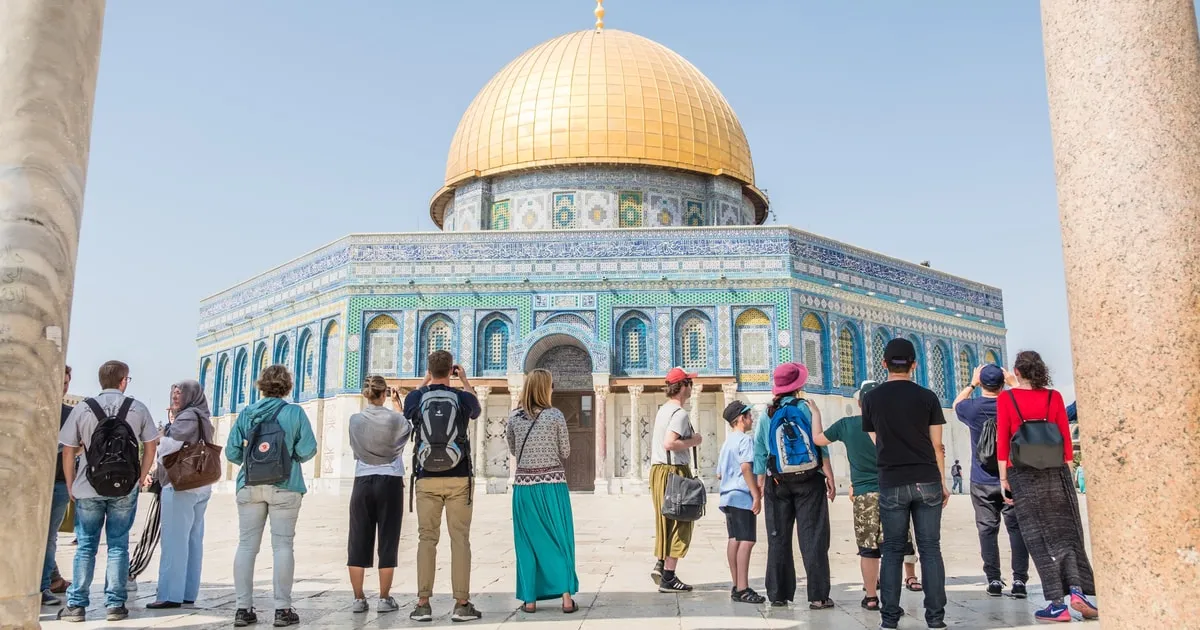 from $57
Top rated
Jerusalem: Guided Walking Tour of the Old City
Four hours on foot from Jaffa Gate: the Western Wall, the Via Dolorosa and the Church of the Holy Sepulchre with a live guide.
Check Availability from $99
Evening
Jerusalem After Dark: Old City Sunset Walking Tour & Wine
An evening walk through the Old City with a rooftop sunset and a glass of wine, the Western Wall and the Holy Sepulchre by night.
Check Availability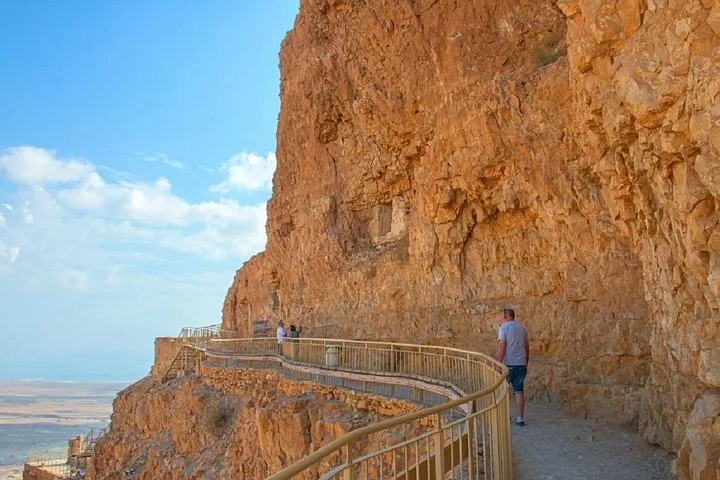 from $111
Cable car included
Masada and the Dead Sea Day Trip from Jerusalem
Up Masada by cable car for Herod's palace, then 90 minutes floating at the Dead Sea, with pickup.
Check Availability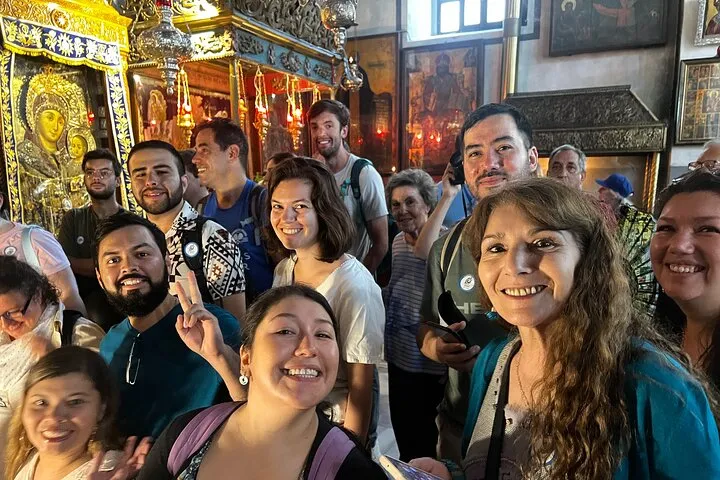 from $75
Top rated
Travel to Bethlehem Half Day Guided Tour from Jerusalem
The Church of the Nativity, the Milk Grotto and Shepherds' Field with a licensed Bethlehem guide, back by early afternoon.
Check AvailabilityPrices, ratings and details are the platform's own. dollar figures are the listed prices — the platform bills in your account's currency.
Plan the Rest of the Trip
Timing the visit is half the plan. These guides fill in the other half.
Jerusalem itinerary
Once you have picked your month, our Jerusalem itinerary turns the dates into day-by-day plans for one, two and three days.
planning guide Read the guideWhere to stay
In winter and on Shabbat, walkability decides how good your hotel is. Compare neighbourhoods in where to stay in Jerusalem, with hotels near the Old City listed separately.
planning guide Read the guideGetting around
The light rail, the Rav-Kav card and the Shabbat transport stop are the three facts every visitor needs. The full picture is in getting around Jerusalem.
planning guide Read the guideThings to do
Rainy winter days and hot summer mornings call for different plans. Rank every sight with our guide to things to do in Jerusalem.
planning guide Read the guideDay trips
Shoulder-season days are made for excursions, from the Galilee to Petra. Browse all day trips from Jerusalem.
beyond the city Read the guideBest Time to Visit Jerusalem: Questions
What is the best month to visit Jerusalem?
October is our pick: the average afternoon high is 26°C (79°F), rain is still rare, and the autumn festival crowds have eased. April and May run close behind, though Passover and Easter weeks bring peak visitors to the Old City and Bethlehem. Book those weeks early or come late in the month.
Is it safe to travel to Jerusalem right now?
Conditions change, so check your own government's travel advice before booking and again before you fly. Within the city, touring follows ordinary city precautions. Our things to do in Jerusalem guide describes the sights as travellers find them, without ratings of the security situation.
Can I wear jeans in Israel?
Yes. Jeans are everyday wear in Jerusalem and no site bans them. The real dress rule is modesty at holy places: covered shoulders and knees at the Western Wall, the churches and the Temple Mount plateau, and stricter dress still in ultra-Orthodox Mea Shearim. Bring a scarf or shawl if you are packing light.
What is the cheapest month to go to Israel?
Airfare data is not published in any source we can quote, so we cannot name a cheapest month. Structurally, winter and the late-summer shoulder avoid the festival peaks, which is when demand for rooms and guides is lowest. Compare Jerusalem tours across dates, since tour prices stay flat while accommodation moves.
Is November a good time to visit Israel?
In Jerusalem, yes. November afternoons average 20°C (68°F), crowds are thin, and the first rains are usually short. Church hours shift to winter schedules, so check closing times, for example at Gethsemane, where the Church of All Nations closes at 17:00 from October to March. Pack a waterproof layer.
What is the worst time to visit Jerusalem?
No month is truly bad, but the hardest combinations are peak heat with peak crowds: late July and August bring 30°C afternoons and busy sites, and the Passover and Easter overlap plus the autumn High Holidays bring the year's biggest crowds. If those are your only dates, book early starts, evening walks and private tours to manage it.
What should I avoid planning on a Saturday?
Anything that needs public transport. The light rail does not run on Saturday, trains to Tel Aviv stop from Friday afternoon until after dark on Saturday, and Mahane Yehuda market closes. Churches in the Old City stay open, so Saturday is a fine day for a walking tour in the Christian Quarter.
How far ahead should I book tours and hotels?
For ordinary weeks, a few days ahead is enough, and every tour here offers free cancellation up to 24 hours before the start. For Passover, Easter, the September and October holidays and Christmas in Bethlehem, book weeks or months ahead. Start from the top Jerusalem tours list and lock the walks first.
Prices, hours and terms are set by the venue or operator and confirmed at checkout.
We may earn a commission if you book through one of our links, at no extra cost to you. Full affiliate disclosure